Understanding PCOS: What Is It?
Polycystic Ovary Syndrome, or PCOS, is a common health problem. It affects women of childbearing age. In fact, the World Health Organization (WHO) estimates that up to 10% of women worldwide have PCOS. This condition causes hormone imbalances and can lead to irregular periods, weight gain, and other symptoms. Because PCOS is so common, many women look for natural ways to manage it. Homeopathy for PCOS is one such approach that is gaining attention.
Symptoms and Causes of PCOS
PCOS can show up in many ways. However, not everyone will have the same symptoms. Some common signs include:
Although the exact cause of PCOS is not clear, experts believe it is linked to hormone problems. For example, high levels of androgens (male hormones) and insulin resistance can play a role. Genetics may also increase your risk. Because of these factors, PCOS can affect each woman differently.
What Is Homeopathy?
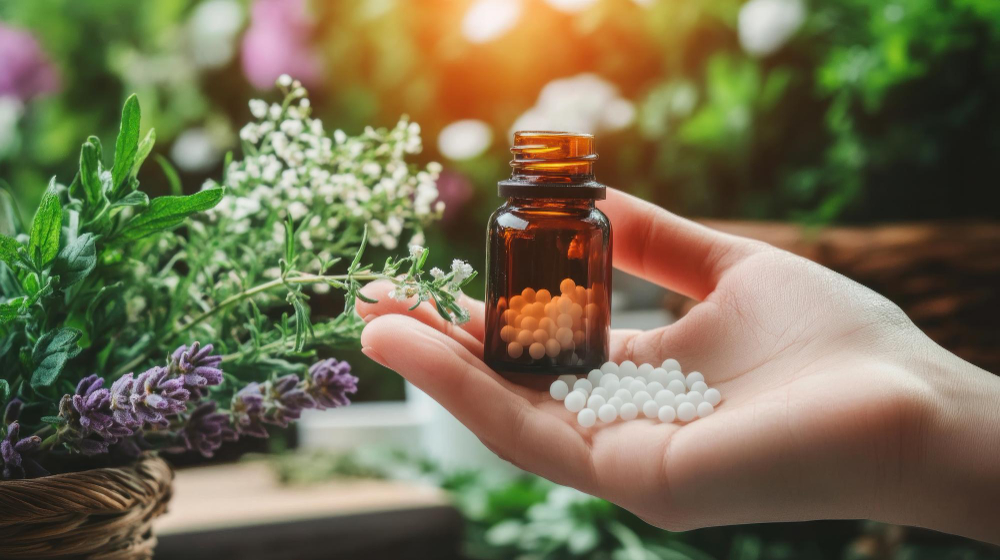
Homeopathy is a natural system of medicine. It uses very small amounts of natural substances to help the body heal itself. The main idea is that “like cures like.” This means a substance that causes symptoms in a healthy person may help treat those same symptoms in someone who is sick. Homeopathic remedies are made from plants, minerals, or animals. They are highly diluted and safe when used as directed. Many people choose homeopathy for PCOS because it aims to treat the root cause, not just the symptoms.
How Does Homeopathy Address PCOS?
Homeopathic treatment for polycystic ovary syndrome is personalized. A homeopath looks at your symptoms, lifestyle, and overall health. Then, they choose remedies that match your unique needs. Some common homeopathic remedies for PCOS include:
However, it is important to note that homeopathy does not offer a “one-size-fits-all” solution. Each remedy is chosen based on your specific symptoms. Some studies suggest that homeopathy may help with PCOS symptoms, but more research is needed. According to the National Institutes of Health (NIH), evidence is limited, so always use homeopathy as part of a broader care plan.
Benefits and Limitations of Homeopathic Treatment for PCOS
Many women seek natural remedies for PCOS because they want gentle, side-effect-free options. Homeopathy for PCOS offers several benefits:
On the other hand, there are some limitations:
Therefore, it is wise to talk to a qualified practitioner before starting homeopathic treatment for polycystic ovary syndrome.
Lifestyle Guidance and Prevention Tips for PCOS
Besides natural remedies for PCOS, healthy habits can make a big difference. For example, simple lifestyle changes can help manage symptoms and improve well-being. Here are some tips:
Because PCOS can affect long-term health, these steps are important for prevention and management. Even small changes can have a big impact over time.
When to Consult a Healthcare Professional
Although homeopathy for PCOS may help some women, it is not a substitute for medical care. If you have symptoms like missed periods, severe pain, or trouble getting pregnant, see a doctor. Early diagnosis and treatment can prevent complications. Additionally, always talk to a qualified homeopathic practitioner before starting any new remedy. This ensures your treatment is safe and tailored to your needs.
Conclusion
In summary, homeopathy for PCOS offers a natural way to manage symptoms. While it may help some women, it works best when combined with healthy habits and regular medical care. Consult a qualified homeopathic practitioner or healthcare provider for personalized advice on managing PCOS.